
Microplastics have become a growing concern in the United States, not just in oceans and drinking water, but also in everyday household items used by families. For parents of newborns, the idea that microplastic particles could come into contact with bottles, pacifiers, toys, or food is deeply worrying. The good news? With a few simple, informed choices, it is absolutely possible to reduce or even eliminate your baby’s exposure to baby bottle microplastics or microplastics in other baby items.
In this guide, you’ll learn how microplastics enter your baby’s daily routine, how to avoid them, and why choosing safer feeding materials, such as medical-grade silicone bottles, makes a measurable difference.
What Exactly Are Microplastics?
Microplastics are tiny fragments of plastic, sometimes invisible to the naked eye, that break off from larger plastic items over time or during friction, heating, or wear. These particles can end up in food, water, the air, and even baby feeding products.
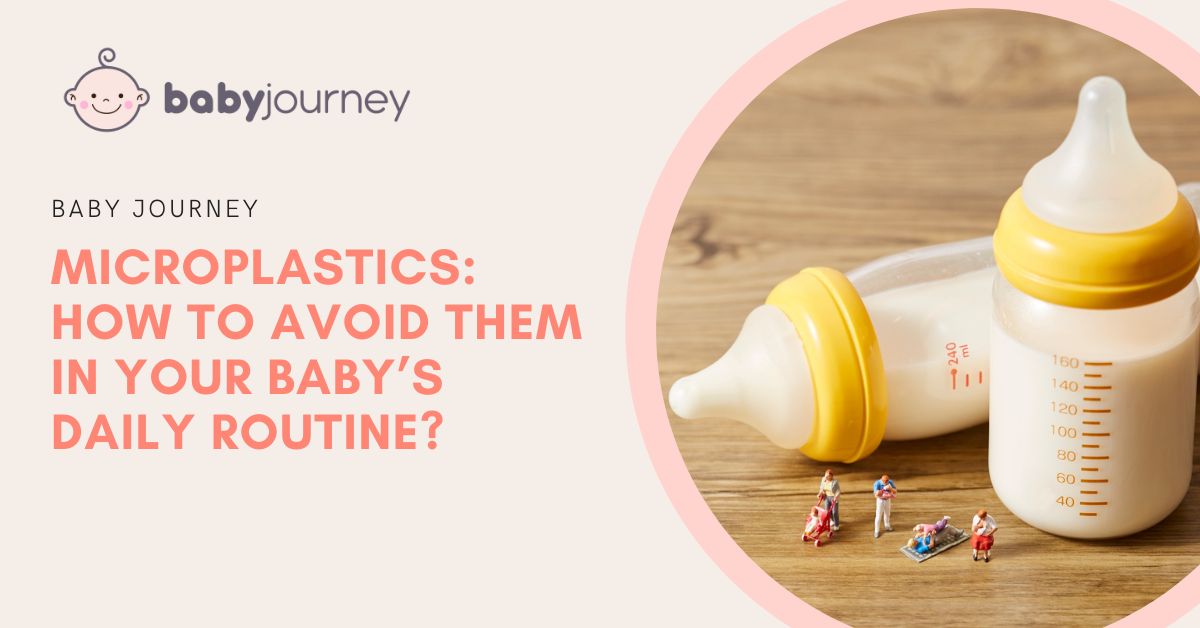
Recent U.S. studies show that common plastic baby bottles can release millions of baby bottle microplastics particles when exposed to warm liquids or when shaken. This is especially concerning for newborns, whose bodies are smaller and more vulnerable to environmental contaminants.
How Microplastics Enter a Baby’s Daily Routine
Microplastics can be released from many unexpected sources in your baby’s environment. Here are some of the most common ones:
• Plastic baby bottles heated or shaken with warm milk
• Plastic formula containers and measuring scoops
• Plastic toys or teething rings that degrade over time
• Plastic feeding bowls and utensils
• Synthetic clothing fibers shedding during daily wear
• Household dust loaded with microplastic particles
• Microwaving food in plastic containers
Identifying these sources is the first step to reducing exposure.
The Risks of Baby Bottle Microplastics Exposure in Babies
While research is still evolving, early scientific evidence suggests microplastics in baby bottles or any other baby products may contribute to:
• Inflammation in the digestive system
• Hormonal or endocrine disruption from plastic additives
• Increased oxidative stress
• Potential long-term developmental impacts
Because babies eat, drink, and breathe more per pound than adults, they may absorb higher concentrations relative to their size, making safer materials especially important.
Plastic vs. Silicone vs. Glass: Which Materials Release Microplastics in Baby Bottles?
| Material | Risk of Microplastics | Notes |
| Plastic | High | Releases particles when heated, scratched, or shaken |
| Glass | None | Safe but heavy, breakable, and less baby-friendly despite no microplastics in glass bottles |
| Medical-grade silicone | Very Low | Non-porous, heat-resistant, and free from microplastic shedding. Medical-grade silicone, like the material used in Elhée’s bottles, is widely recognized as one of the safest alternatives for babies due to its purity, durability, and resistance to heat. |
How to Reduce Microplastics in Your Baby’s Feeding Routine
1. Avoid Heating Milk Inside Plastic Bottles
Heating accelerates plastic breakdown, contributing to plastic baby bottles microplastics. Instead:
• Heat water separately before preparing formula
• Mix formula in a glass container if possible
• Transfer milk into a safe bottle once cooled
2. Choose Bottles Made From Medical-Grade Silicone or Glass
Medical-grade silicone bottle is soft, durable, and extremely heat-resistant, making it far safer for newborn feeding than standard plastic bottles. You don’t have to worry about glass bottles microplastics if you go for glass bottle alternatives but the chance of breakage and the heavy weight may be a great concern.
3. Replace Scratched or Worn Baby Products
Scratches create friction points that release microplastic particles. Inspect bottles, spoons, and bowls regularly.
4. Never Microwave Food in Plastic
Even plastics labeled “microwave-safe” can release microplastics or chemical additives when heated.
5. Choose Silicone Pacifiers and Teethers
High-quality silicone is a safer, more durable, and cleaner alternative to traditional hard plastic accessories.
6. Improve Air Quality at Home
Microplastics also circulate in household dust.
• Use a HEPA air purifier when possible
• Vacuum regularly with a HEPA-filter vacuum
• Wash plush toys frequently
How Feeding Tools Affect Microplastic Exposure

Feeding is one of the biggest sources of microplastic exposure because bottles are used multiple times a day and often with warm liquids.
• Shaking warm formula in a plastic bottle
• Sterilizing bottles at high temperatures
• Scrubbing interiors with abrasive brushes
• Running bottles through dishwasher cycles
This is why choosing the right bottle material, such as medical-grade silicone baby bottles, is more important than ever.
The Elhée Difference: A Microplastic-Safe Bottle
Elhée bottles are crafted from 100% medical-grade silicone, offering exceptional purity, softness, and safety. This material is completely free from microplastics, non-toxic, and resilient to heat, making it one of the cleanest and safest feeding options for babies.
• No plastic and no microplastic shedding
• Soft, rounded design that mimics the breast
• FDA-compliant, food-grade materials
• BPA-free, BPS-free, phthalate-free
• Ideal for babies with sensitive digestive systems
To understand why parents across the U.S. choose Elhée for its safety, purity, and innovative design, you can explore the full explanation here: Why Choose Elhée Bottles?
Simple Daily Routine to Keep Microplastics Away
Here are some ways how to avoid microplastics in baby bottles and reduce your little one’s exposure to microplastics:
1. Use silicone or glass bottles instead of plastic.
2. Never heat liquids inside plastic containers.
3. Hand-wash bottles with soft, non-abrasive tools.
4. Replace scratched or cloudy plastic items immediately.
5. Choose silicone pacifiers, nipples, and feeding tools.
6. Keep indoor air clean and dust-free.
Small habits can make a major difference in your baby’s daily exposure.
Conclusion: Safer Choices Start With Awareness
Microplastics may be everywhere, but with thoughtful choices, they don’t have to be part of your baby’s daily routine. By selecting cleaner materials such as baby bottles without microplastics and practicing a few simple habits, parents can dramatically reduce exposure and protect their little one from unnecessary risks.
Baby-safe materials like medical-grade silicone, used in every Elhée bottle, offer a cleaner, gentler, and more protective feeding experience. It all starts with awareness, and with choosing products designed with your baby’s well-being in mind.